Wythenshawe Hospital is a major acute hospital within the Manchester University NHS Foundation Trust. The service provides specialist expertise in cardiology, cardiothoracic surgery, heart and lung transplantation, burns and plastics, respiratory conditions, cancer, and breast care services to people across the entire North-West region.
Zoe became an advanced practice (AP) dietitian in 2024 after completing a 2-year Centre accredited master’s programme at university. From this, Zoe received her NHSE digital badge for AP and now works as an AP as part of the nutrition support team.
Prior to completing the advanced practice course, Zoe worked at an advanced level as part of the nutrition team. It was during this role that she felt the complexity of patients in hospital was increasing and identified that the service would benefit from a clinical expert.
Population:
As part of the nutrition team, Zoe typically will see patients with a wide variety of conditions such as:
- Those receiving parenteral nutrition
- High – output stomas
- Eating disorders
- Disorders of the gut-brain axis where they are struggling to tolerate diet/tube feeds
- Those awaiting PEG placements and need to be assessed to determine if this is appropriate and safe.
- Zoe will attend the nutrition team ward round, consisting of up to 20 patients at one specific site that is part of the Manchester University NHS Foundation Trust.
Intervention:
- Preparation and presentation of cases to the nutrition team ward round.
- Presentation of cases at multidisciplinary team meetings.
- Assessment of patients for conditions such as re-feeding syndrome and eating disorder MEED scoring, advising on what medical monitoring is needed.
- Requests and monitoring of blood results.
- Supplementary prescriber, prescribing medications within scope of practice and within the clinical management plan, supporting medical teams
- Interpretation of tests such as bacterial overgrowth tests, bile salt malabsorption tests and CT scans.
- Providing support on parental nutrition and eating disorders to dietitians and the wider MDT across other sites within the Trust.
Outcomes/Impact
Service impact:
- Increase in patient safety.
- Increased confidence and knowledge to challenge and change practice to improve safety and outcomes.
Patient outcomes:
- Early identification of ‘red flag’ symptoms: For example; deep vein thrombosis, arrhythmia, and aspiration pneumonia.
- Presenting patients with different plans and negotiating their different options.
- Helping complex patients with long-standing conditions, obtain a diagnosis, for example by requesting bile acid / faecal elastase tests that have come back positive.
- Helping to assess patient’s mental health and liaise with the mental health team.
- Identification of atypical presentations and differential diagnosis.
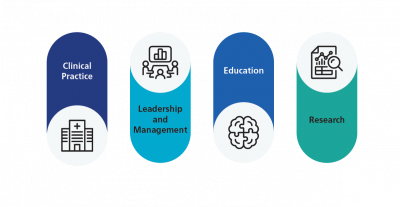
Zoe incorporates the four pillars of practice in their role by:

Clinical
Supplementary prescriber, able to prescribe within scope of practice, prepare and present cases at ward rounds and complete a more in-depth assessment for complex patients, for example those with refeeding syndrome.
Leadership
Leadership responsibilities have shifted from management of staff to clinical leadership. Writing policies and standard operating procedures, advising and supporting other dietitians and the wider MDT with complex patients, supporting others with research and supporting other advanced practitioners with the dietetic/nutritional elements of patients.


Education
Providing education sessions about the role of an AP, screening patients for eating disorders and monitoring, medical training sessions on nutrition (focusing on risks), and CPD sessions focusing on eating disorders. Production of recorded education sessions and some stoma education sessions to reach a broader audience.
Research
Zoe is a part of the departmental research working group. She has a leadership role in supporting staff members who would like to conduct audit projects and links in and works with other professionals who are conducting research.